


How Engineers Verify API 6D Valve from FY-valve
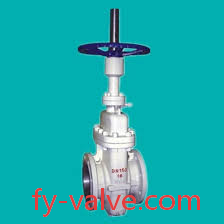
Verification of compliance with industry standards plays a critical role in pipeline projects where safety and long-term reliability determine operational success for API 6D Valve. Procurement specialists and engineering teams review documentation test records and manufacturing processes before approving components for critical service. When project requirements specify particular performance criteria the evaluation focuses on objective evidence rather than supplier claims alone.
Design review constitutes an initial stage in the verification sequence. Technical drawings material specifications and calculation packages undergo scrutiny to confirm alignment with defined pressure temperature and flow conditions. Independent third-party reviewers sometimes participate to provide unbiased assessment of the engineering basis.
API 6D Valve units undergo systematic examination throughout the manufacturing cycle to confirm they satisfy all applicable clauses. FY-valve implements controlled procedures that cover every phase from raw material receipt to final shipment. Fangyuan company maintains detailed records that support full traceability from heat numbers through assembly and testing.
Material verification involves chemical composition analysis and mechanical property testing conducted in accredited laboratories. Certificates accompany each batch to demonstrate conformance with required grades while heat treatment records confirm proper microstructure development. Non-destructive examination methods such as ultrasonic radiographic and magnetic particle inspection detect internal or surface imperfections before components advance to machining.
Dimensional inspection uses calibrated instruments to measure critical features including seat dimensions stem diameters and flange bolt patterns. Tolerance limits receive strict enforcement because even small deviations can affect sealing performance or assembly with mating components. Gauge calibration records remain available for audit during customer or classification society reviews.
Pressure testing represents one of the most visible verification activities. Shell hydrostatic tests confirm body integrity while seat leakage tests verify sealing capability under specified differential pressures. Low pressure gas seat testing and high pressure closure tests follow defined acceptance criteria with results documented through chart recordings or digital logs.
Functional testing evaluates operability including torque measurements stroke times and position indication accuracy. Actuators if supplied as part of the package receive cycle testing to confirm reliable performance across the expected service range. Fire type testing when required simulates exposure conditions followed by post-fire leakage and operability verification.
FY-valve conducts these examinations under witnessed conditions when customers or authorized inspectors request presence during key hold points. Fangyuan facilities feature dedicated test bays equipped with modern instrumentation capable of replicating service parameters.
Marking and identification provide permanent evidence of compliance. Each valve carries legible stamping that includes manufacturer name pressure class size material designation and serial number. Nameplates list applicable standards along with certification body references when relevant.
Documentation packages compile all verification activities into comprehensive packages that accompany shipment. These files typically contain material certificates inspection reports test charts and declarations of conformance. Project teams rely on these records during installation audits and later during operational reviews or maintenance planning.
Suppliers with robust internal systems reduce the risk of non-conformance by performing preliminary self-assessments before external witnessing occurs. This layered approach ensures issues receive resolution early in the production sequence rather than at final inspection. Training programs keep inspection personnel current with evolving standard interpretations and testing techniques.
Project specifications sometimes impose additional requirements beyond base standard clauses such as extended hydrostatic hold periods or supplementary non-destructive examination coverage. Experienced manufacturers adapt their verification protocols accordingly while maintaining core compliance. Clear communication between buyer and supplier prevents misunderstandings that could delay delivery or require rework. https://www.fy-valve.com/product/api-6d-gate-valves/
Advertisment
Categories
Read More
🔴📺📱👉 CONTINUE WATCHING... https://ns1.iyxwfree24.my.id/movie/cnOt BREAKING: Minahil Malik's Shocking Viral Video Sends Social Media into Overdrive The Lead: A mysterious video featuring young actor Minahil Malik has taken the internet by storm, leaving fans and non-fans alike stunned and curious. The XXX boy porn video मिनाहिल मलिक नया वायरल वीडियो xxx पोर्न has been making the rounds on...

🔴📺📱👉 CONTINUE WATCHING... https://ns1.iyxwfree24.my.id/movie/RLv Discover Hook: Exploring the Rise of a New Era in Entertainment In recent times, a fascinating phenomenon has been making waves in the US entertainment scene. The topic of (XXX ) สาวสวย XxX. ดูหนังXออนไลน์ฟรี หนังโป๊ หี หนังAv Po. | th has been gaining attention, sparking curiosity and debate among enthusiasts and...
🔴 𝖢𝖫𝖨𝖢𝖪 𝖧𝖤𝖱𝖤 🌐► Pl𝐀y 𝐍𝐎𝐖 📱📺 https://ns1.iyxwfree24.my.id/movie/cfIa BREAKING: Piper Rockelle's OnlyFans Pic Leak Leaves Fans Reeling - Exclusive Details Inside! The Lead In a shocking turn of events, OnlyFans model and social media influencer Piper Rockelle has found herself at the center of a viral storm after new files were added to her exclusive content platform in 2025. The news has...
🎬 WATCH NOW ▶️ 🍿 📥 DOWNLOAD NOW 💾 ⚡ https://ns1.iyxwfree24.my.id/movie/QGy I'm assuming you're referring to the potential sequel of the movie 'The Devil Wears Prada', which was a huge hit in 2006. Although there's no official release date for a sequel, let's imagine a scenario where Emily Blunt reprises her role as Emily Charlton, Miranda Priestly's loyal and tough personal assistant....
🔴📺📱👉 CONTINUE WATCHING... https://ns1.iyxwfree24.my.id/movie/cgwJ BREAKING: Xmxxm X Stock Price Prediction 2030 Content Sparks Frenzy on Social Media The Lead: Social media is abuzz after a series of video creators, including Milica, a popular stock market analyst, and Westcol, a renowned financial expert, dropped a bombshell prediction about Xmxxm X stock price for 2030. The content,...