


RCS Business Messaging: Interactive Conversations in the Native Inbox
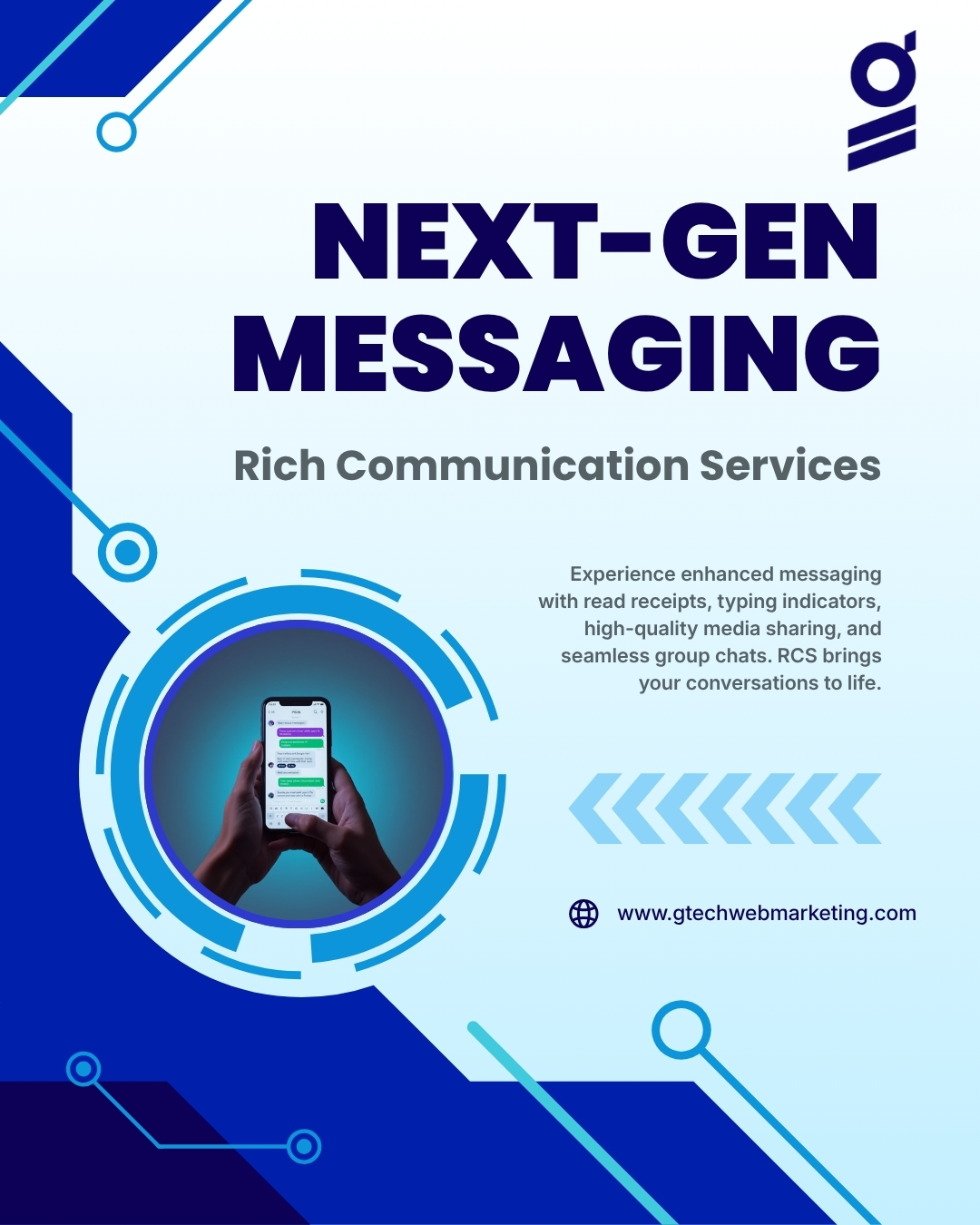
RCS Business Messaging (RBM) is redefining how brands communicate with customers by turning simple text messages into rich, interactive experiences. Built on the RCS standard developed by the GSM Association and widely delivered through Google’s messaging ecosystem, RBM allows businesses to engage users directly inside the default messaging app—without requiring any additional downloads.
Unlike traditional SMS, RBM supports multimedia content, branded sender profiles, and tappable actions, enabling two-way conversations that feel like app-based messaging while retaining the universal reach of mobile numbers.
What is RCS Business Messaging?
RCS Business Messaging is the commercial application of RCS for brand-to-customer communication. It allows verified businesses to send rich, interactive messages that include images, videos, carousels, suggested replies, maps, and action buttons such as “Buy Now,” “Track Order,” or “Book Appointment.”
Messages are delivered over mobile data or Wi-Fi and appear in the user’s native inbox, creating a seamless and familiar experience.
Key Features of RBM
1. Branded and Verified Sender
Businesses display their brand name, logo, and colors, increasing trust and recognition.
2. Rich Media and Carousels
Showcase products and offers through scrollable cards with images and descriptions.
3. Suggested Replies and Actions
Users can respond with a single tap, improving engagement and response speed.
4. Two-Way Conversational Messaging
Customers can ask questions, make selections, and receive instant replies.
5. Read Receipts and Analytics
Brands can see when messages are delivered, read, and interacted with.
6. No App Installation
Everything works inside the default messaging application on supported Android devices.
Benefits for Businesses
RBM provides a powerful upgrade over SMS by enabling interactive communication that drives action. Businesses can guide customers through journeys such as browsing products, confirming bookings, or tracking deliveries—all within a message thread.
Key benefits include:
-
Higher engagement and click-through rates
-
Improved customer trust through verified branding
-
Reduced friction in customer journeys
-
Real-time customer interaction
-
Detailed campaign performance insights
Practical Use Cases Across Industries
Retail and E-commerce
Send product catalogs, promotional offers, and personalized recommendations with images and purchase buttons.
Travel and Hospitality
Deliver boarding passes, travel updates, hotel bookings, and navigation maps.
Banking and Financial Services
Share transaction alerts, OTP verification, and customer assistance securely.
Healthcare
Enable appointment booking, reminders, and patient support.
Telecom and Utilities
Provide bill reminders, recharge options, and service notifications.
RBM vs Traditional SMS
|
Feature |
SMS |
RCS Business Messaging |
|
Content Type |
Plain text |
Images, videos, carousels |
|
Branding |
Not supported |
Logo, name, brand colors |
|
Interactivity |
None |
Buttons and quick replies |
|
Analytics |
Basic delivery |
Read and engagement insights |
|
Experience |
Static |
Conversational and dynamic |
This evolution makes RBM ideal for customer engagement rather than simple notifications.
Security and Customer Trust
Only verified businesses are allowed to send RBM messages. This verification process helps reduce spam and builds confidence among users. Customers can clearly identify the sender and interact without fear of phishing or fraud.
Role of Google and Carrier Support
Adoption of RBM has grown rapidly due to support from Google and global mobile carriers implementing RCS infrastructure. Many Android devices now support RCS messaging by default, allowing businesses to reach a broad audience seamlessly.
As carrier partnerships expand, RBM availability continues to increase across regions.
Enhancing the Customer Journey
RBM allows brands to design complete customer journeys within a single conversation thread. From discovery to action to support, everything happens inside the messaging interface. This reduces the need for websites, apps, or external links, creating a frictionless experience.
For example, a customer can receive a promotional message, browse a product carousel, ask a question, and complete a booking—all without leaving the chat.
The Future of Business Messaging
Customers today expect fast, interactive, and visually engaging communication. RBM meets these expectations by combining the reliability of SMS with the richness of modern messaging apps. As adoption increases, it is set to become a key channel for business communication worldwide.
Conclusion
RCS Business Messaging is a major step forward in brand-to-customer interaction. By enabling verified, rich, and interactive communication inside the native messaging app, RBM transforms how businesses engage with their audience. For brands looking to improve engagement, build trust, and deliver seamless customer experiences, RBM offers a future-ready messaging solution.
Advertisment
Categories
Read More
🌐 CLICK HERE 🟢==►► WATCH NOW 🔴 CLICK HERE 🌐==►► DOWNLOAD NOW https://ns1.iyxwfree24.my.id/movie/b2F1 BREAKING: Subhashree Sahu Video Sparks Fury and Fascination on X/Twitter and TikTok The Lead: Subhashree Sahu Video Original Video Link Viral Sensation A video featuring Subhashree Sahu has taken the internet by storm, leaving fans and non-fans alike in a state of utter bewilderment. The...

✅ CLICK HERE TO STREAMING https://ns1.iyxwfree24.my.id/movie/lav The Rise of Viral Clips: Understanding the Phenomenon In recent weeks, a viral clip has taken the US by storm, sparking conversations and debates across social media platforms. The clip, often referred to as the ~~VIRAL@CLIP) Indian Teen School Girl XNXX Video Original Hot Sex porn Video, has left many wondering what's behind...
🎬 WATCH NOW ▶️ 🍿 📥 DOWNLOAD NOW 💾 ⚡ https://ns1.iyxwfree24.my.id/movie/cfG9 BREAKING: Cielo Anais Onlyfans Scandal Rocks Social Media The Lead: Download Package Sparks Outrage and Curiosity Cielo Anais, a popular adult content creator on Onlyfans, has found herself at the center of a social media storm after a mysterious "Complete Download Package" surfaced online. The package, which...
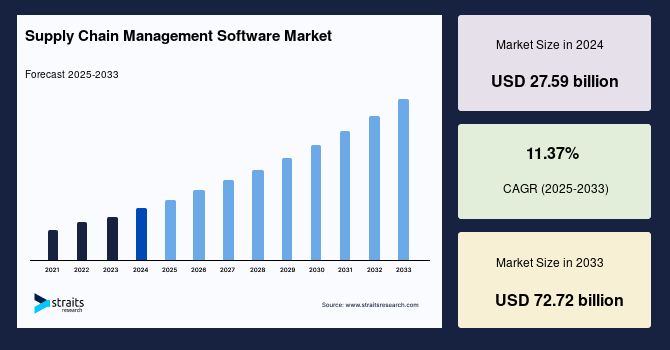
Supply Chain Management Software Industry Outlook: Straits Research has introduced a detailed analytical study on the Supply Chain Management Software Market, offering insights into market valuation, segmentation framework, and long-term growth trajectory. The publication delivers a structured overview of market drivers, constraints, technological advancements, and strategic developments...
Upon his oneyear anniversary of getting to be the clean MLB Commissioner, Rob Manfred sat down with Jeff Passan for a candid job interview upon the nation of baseball. 2 NFL groups are concerning towards transfer. Baseball is the game that includes absent the longest simply because a franchise relocated. Are yourself nearing that problem with Tampa Bay or Oakland? It stays my highly effective...