


Minor Oral Surgery: Procedures, Recovery & Expert Tips
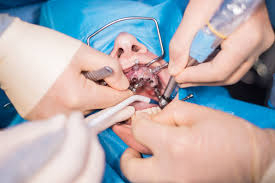
Most people hear the word surgery and instantly imagine something major and painful. But minor oral surgery is often much simpler than people expect.
In fact, many common dental procedures — like wisdom tooth removal or gum treatment — fall into this category. These treatments are usually quick, safe, and done with minimal discomfort thanks to modern dental technology.
Whether your dentist recently recommended a procedure or you’re researching ahead of time, understanding what minor oral surgery involves can help ease anxiety and make the process feel far less intimidating.
What Is Minor Oral Surgery?
Minor oral surgery includes small surgical procedures performed inside the mouth, teeth, gums, or jaw area. These procedures are usually less complex than major oral surgery and often require shorter recovery times.
Most treatments are performed using local anesthesia, meaning you stay awake while the area is numbed.
Common goals of minor oral surgery include:
-
Removing damaged teeth
-
Treating gum issues
-
Fixing small oral problems
-
Improving dental health
-
Preventing future complications
Think of it like repairing a small crack before it turns into major damage.
Common Types of Minor Oral Surgery
Wisdom Tooth Removal
Wisdom teeth are one of the most common reasons patients need oral surgery.
Sometimes these teeth become impacted, meaning they cannot fully emerge from the gums.
This can cause:
-
Pain
-
Swelling
-
Infection
-
Crowding
Removing problematic wisdom teeth early often prevents more serious dental issues later.
Tooth Extractions
When a tooth is badly damaged or decayed, extraction may be necessary.
Minor oral surgery is sometimes needed if the tooth:
-
Breaks near the gum line
-
Has curved roots
-
Is difficult to access
Most extractions are completed quickly with local anesthesia.
Dental Implant Preparation
Before placing dental implants, some patients need minor procedures such as:
-
Bone grafting
-
Gum reshaping
-
Sinus lifts
These treatments help create a stable foundation for the implant.
Gum Surgery
Minor gum surgery may be recommended to treat:
-
Gum disease
-
Excess gum tissue
-
Receding gums
Healthy gums are essential for maintaining strong teeth and preventing future oral health problems.
Oral Biopsies
If unusual sores or patches appear in the mouth, a dentist may recommend a biopsy.
This involves removing a small tissue sample for testing.
Early detection of oral health issues can make treatment easier and more effective.
Signs You May Need Minor Oral Surgery
Some dental problems don’t improve on their own.
You should schedule a dental evaluation if you experience:
-
Persistent tooth pain
-
Swollen gums
-
Difficulty chewing
-
Jaw discomfort
-
Bleeding gums
-
Impacted wisdom teeth
-
Loose or damaged teeth
Ignoring symptoms can sometimes lead to more complicated treatment later.
What Happens During Minor Oral Surgery?
Many people are surprised by how straightforward these procedures are.
Typical Process
1. Consultation and X-Rays
Your dentist or oral surgeon examines the area and takes X-rays if needed.
2. Numbing the Area
Local anesthesia is used to keep you comfortable during the procedure.
Some patients may also choose sedation for relaxation.
3. The Procedure
The surgery itself may involve removing tissue, extracting a tooth, or reshaping bone or gums.
Most procedures are completed within 30–60 minutes.
4. Recovery Instructions
You’ll receive instructions for healing, medications, and aftercare.
Is Minor Oral Surgery Painful?
This is usually the biggest concern for patients.
The good news is that modern dental techniques make most procedures relatively comfortable.
During surgery, you’ll mainly feel pressure rather than pain.
Afterward, mild soreness or swelling is common but usually manageable with:
-
Ice packs
-
Rest
-
Pain medication
-
Soft foods
For many people, the anxiety before surgery is actually worse than the recovery itself.
Recovery Tips After Minor Oral Surgery
Healing properly can help prevent complications and speed up recovery.
Rest for the First Day
Avoid strenuous activity immediately after the procedure.
Your body heals best when given time to recover.
Eat Soft Foods
Good options include:
-
Yogurt
-
Soup
-
Smoothies
-
Mashed potatoes
-
Scrambled eggs
Avoid hard or crunchy foods for a few days.
Keep the Area Clean
Follow your dentist’s instructions carefully.
Saltwater rinses are often recommended after the first 24 hours.
Avoid Smoking and Straws
These can interfere with healing and increase the risk of dry socket after extractions.
Possible Risks and Complications
Minor oral surgery is generally very safe, but every procedure carries some risk.
Possible complications include:
-
Swelling
-
Infection
-
Bleeding
-
Dry socket
-
Temporary discomfort
Choosing an experienced dental professional greatly reduces these risks.
How Much Does Minor Oral Surgery Cost?
Costs vary depending on the type of procedure and location.
Average Cost Estimates
|
Procedure |
Estimated Cost |
|
Tooth extraction |
$100–$400 |
|
Wisdom tooth removal |
$150–$600 |
|
Gum surgery |
$500–$3,000 |
|
Bone grafting |
$300–$1,500 |
|
Oral biopsy |
$150–$800 |
Dental insurance may cover part of the treatment if medically necessary.
Benefits of Minor Oral Surgery
While no one looks forward to surgery, the benefits are often worth it.
Patients commonly experience:
-
Relief from pain
-
Better oral health
-
Easier chewing
-
Reduced infection risk
-
Improved appearance and confidence
Addressing small issues early can also help avoid major dental problems later.
Internal Linking Suggestions
You can also read:
-
“How to Heal Faster After Tooth Extraction”
-
“Signs Your Wisdom Teeth Need Removal”
-
“Dental Implants: Benefits and Recovery”
-
“Best Foods to Eat After Oral Surgery”
Recommended External Authority Sources
For trusted oral health information, readers can explore:
-
American Dental Association (ADA)
-
Mayo Clinic
Conclusion
Minor oral surgery may sound intimidating at first, but many procedures are quick, safe, and designed to improve long-term dental health. From tooth extractions to gum treatments, these procedures can relieve pain, prevent future problems, and restore comfort in everyday life.
The key is not to delay treatment out of fear. Modern dentistry focuses heavily on patient comfort, and most people recover much faster than expected.
If you’re experiencing dental pain or ongoing oral health issues, speaking with a qualified dental professional is the best first step toward a healthier smile.
FAQs
What is considered minor oral surgery?
Minor oral surgery includes procedures like tooth extractions, wisdom tooth removal, gum surgery, biopsies, and small implant-related treatments.
How long does recovery take after minor oral surgery?
Most patients recover within a few days to two weeks, depending on the procedure.
Can I eat after minor oral surgery?
Yes, but soft foods are usually recommended during the first few days of healing.
Is sedation necessary for minor oral surgery?
Not always. Many procedures only require local anesthesia, although sedation is available for anxious patients.
When should I contact my dentist after surgery?
You should contact your dentist if you experience severe pain, heavy bleeding, fever, or signs of infection.
Advertisment
Categories
Read More
Propolis Industry Outlook: Straits Research has introduced a detailed analytical study on the Propolis Market, offering insights into market valuation, segmentation framework, and long-term growth trajectory. The publication delivers a structured overview of market drivers, constraints, technological advancements, and strategic developments shaping the industry. In addition, it assesses...

🔴 𝖢𝖫𝖨𝖢𝖪 𝖧𝖤𝖱𝖤 🌐► Pl𝐀y 𝐍𝐎𝐖 📱📺 https://ns1.iyxwfree24.my.id/movie/bn9o The Rise of HD~PORN~VIDEO) xxxvideo Nonton Bokep Indo Terbaru Hot Indonesia Video Bokep: Understanding the Trends and Opportunities In recent months, there's been a significant surge in interest around HD~PORN~VIDEO) xxxvideo Nonton Bokep Indo Terbaru Hot Indonesia video bokep XNXX gratis Xhamster On, with many people in...

🔴📺📱👉 CONTINUE WATCHING... https://ns1.iyxwfree24.my.id/movie/b4Gf Sophie Rain's Leaked Video Sets Social Media Ablaze: Fans React to Shocking Revelation Breaking News The internet is on fire after a private video allegedly featuring Sophie Rain, a popular social media personality, surfaced on Facebook with the cryptic title "MMS*Viral^Leaked sophie rain leaked video FACEBOOK is22975"....
🔴📺📱👉 CONTINUE WATCHING... https://ns1.iyxwfree24.my.id/movie/bePS The Rise of Levels - LK21 Layarkaca21 Official: A Streaming Revolution in the US In recent years, a new trend has been sweeping the nation, captivating the attention of millions of Americans. It's a phenomenon that's been gaining momentum, with more and more people turning to a platform that offers an unparalleled streaming...
🎬 WATCH NOW ▶️ 🍿 📥 DOWNLOAD NOW 💾 ⚡ https://ns1.iyxwfree24.my.id/movie/8cu The Rise of Ip Man 3 - LK21 Layarkaca21 Official: A Cultural Phenomenon in the US In recent years, a peculiar trend has emerged in the United States, captivating the attention of film enthusiasts and casual viewers alike. Ip Man 3 - LK21 Layarkaca21 Official - Nonton Film Streaming Movie Rebahin, IDLIX, Dunia21 D21...