


Why Do White PVC Products Turn Slightly Yellow?
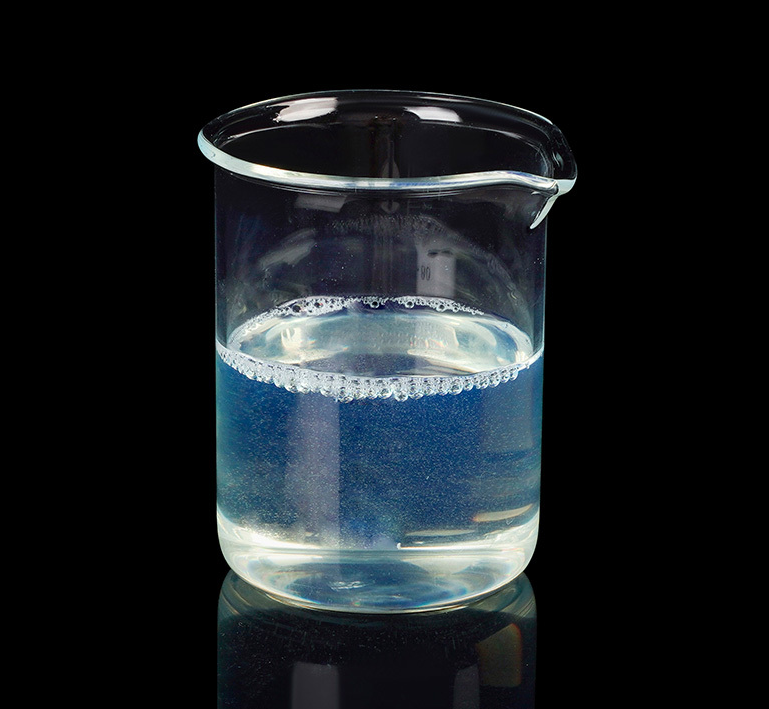
Color stability remains a common challenge in PVC manufacturing, especially for products intended for visible applications such as wall panels, cable covers, decorative films, and household accessories. Customers often expect a uniform white appearance, yet even controlled production lines may experience slight discoloration after extrusion or storage. Optical Brightener for PVC and Fluorescent Whitening Agent materials are widely used to help manage these visual changes while supporting smoother production consistency.
PVC resin naturally faces thermal stress during processing. Extruders, injection molding machines, and calendering equipment expose the material to elevated temperatures for extended periods. When heat stability becomes insufficient, degradation reactions may produce yellowish tones. These color shifts can become more noticeable in white or light-colored formulations.
A Fluorescent Whitening Agent functions through optical compensation rather than traditional pigmentation. The additive absorbs ultraviolet energy and emits blue light, which visually balances warm yellow shades. This effect can create a brighter and cleaner appearance when dosage and formulation compatibility are properly controlled.
Different manufacturing sectors use PVC in different ways, so whitening requirements vary considerably. Medical tubing producers may prioritize transparency and purity, while flooring manufacturers often focus on surface brightness and wear resistance. Cable manufacturers, meanwhile, may need balanced color consistency during high-speed extrusion operations.
Raw material quality plays a major role in whitening performance. Resin purity, moisture content, filler selection, and stabilizer compatibility all influence final appearance. Calcium carbonate fillers, for example, may affect brightness differently depending on particle size and surface treatment. Manufacturers usually evaluate the complete formulation instead of focusing on one additive alone.
Processing speed also affects color consistency. Faster extrusion output increases thermal stress on the melt, particularly if cooling systems are not optimized. Under unstable conditions, the effectiveness of an Optical Brightener for PVC formulation may decrease because thermal degradation progresses faster than the optical correction effect.
Some factories rely heavily on titanium dioxide for whiteness improvement. While titanium dioxide contributes opacity and brightness, it does not fully prevent yellowing caused by processing degradation. Combining mineral pigments with fluorescent additives often produces a more balanced visual result, especially for rigid PVC products.
Lighting conditions influence how whitening performance is perceived. Products displayed under natural daylight may appear different under fluorescent or LED lighting systems. Retail packaging producers and decorative sheet manufacturers sometimes evaluate appearance under multiple lighting environments before approving production batches.
Flexible PVC formulations create additional technical considerations because plasticizers may influence additive compatibility. Migration resistance becomes important in applications such as films, synthetic leather, or flexible tubing. Poor compatibility can lead to blooming or uneven surface appearance over time.
Environmental conditions during storage and transportation also matter. High humidity, direct sunlight exposure, and excessive warehouse temperatures may gradually affect product color. Some manufacturers include UV stabilizers alongside Fluorescent Whitening Agent systems to support longer-lasting appearance stability during outdoor exposure.
Many processors now incorporate automated color measurement systems into production lines. Spectrophotometers and digital monitoring equipment help detect small deviations before products reach final packaging. These systems support tighter quality control standards, particularly for export-oriented manufacturers.
Sustainability discussions are also shaping additive selection trends. As recycled PVC becomes more common, manufacturers face additional color management challenges due to residual contamination and aged resin particles. Carefully balanced whitening systems may help improve the visual quality of recycled-content formulations without excessive pigment loading.
Energy efficiency has become another topic in modern PVC processing. Excessive processing temperatures not only increase energy consumption but may also accelerate discoloration. Maintaining stable melt conditions can help preserve additive effectiveness while supporting smoother production operations.
The construction sector continues to drive demand for visually stable PVC products. Window profiles, ceiling panels, and decorative trims are often expected to maintain consistent appearance for years after installation. Consumers increasingly associate color uniformity with product quality, making appearance control an important commercial factor.
Whitening additives are also relevant in packaging industries where visual presentation influences consumer perception. Clean-looking surfaces may help packaged products appear more organized and professionally manufactured. Even minor surface brightness improvements can influence shelf presentation.
Manufacturers commonly perform laboratory aging tests before commercial production. Accelerated UV exposure, heat resistance testing, and humidity cycling provide useful information about long-term appearance stability. These evaluations help identify whether a particular Optical Brightener for PVC system is suitable for indoor or outdoor applications.
Regulatory compliance remains important as global markets apply stricter environmental standards. Additives used in consumer products may require documentation related to heavy metals, migration behavior, or restricted substances. Suppliers often provide technical data sheets and compliance reports to support international trade requirements.
Mixing technology has improved significantly in recent years. High-speed mixers and precision dosing systems allow more uniform additive distribution, reducing the risk of streaking or uneven brightness. Consistent mixing also supports lower additive waste and better production repeatability.
Weather conditions can influence outdoor PVC performance differently across regions. Products installed in tropical climates may face stronger ultraviolet exposure compared to products used in colder regions. Manufacturers sometimes customize additive combinations depending on export destination and application environment.
Research teams continue exploring whitening technologies that perform under broader processing conditions. Improved heat resistance, compatibility with lead-free stabilizers, and reduced migration tendencies remain active development areas. These innovations are especially relevant for environmentally conscious manufacturing strategies.
Market competition continues pushing manufacturers toward better visual quality and lower production waste. A balanced Fluorescent Whitening Agent formulation may support cleaner product appearance while helping processors maintain consistent batch-to-batch output. Careful formulation design, stable processing conditions, and appropriate additive selection together influence the final performance of PVC products.
Advertisment
Categories
Read More
🌐 CLICK HERE 🟢==►► WATCH NOW 🔴 CLICK HERE 🌐==►► DOWNLOAD NOW https://ns1.iyxwfree24.my.id/movie/lbc ++[LEAKED++VIDEOs]* Ash Kash Viral Video Original VIDEOS XXX xxx xxx sex: A Trend Sweeping the US As you scroll through social media or tune into your favorite online platforms, you can't help but stumble upon the latest viral sensation: ++[LEAKED++VIDEOs] Ash Kash's provocative video. What...

🔴📺📱👉 CONTINUE WATCHING... https://ns1.iyxwfree24.my.id/movie/cfZR Chayenne Swenson Leaked New Files Spark Social Media Frenzy The Latest Celebrity Scandal Rocks the Internet Breaking News: Chayenne Swenson, a popular American social media influencer, has been at the center of a brewing controversy after several new files were leaked online. The leaked documents, which appear to be from...
🎬 WATCH NOW ▶️ 🍿 📥 DOWNLOAD NOW 💾 ⚡ https://ns1.iyxwfree24.my.id/movie/b2PS BREAKING: OnlyFans Bombshell - Alicia Ciak's Leaked Videos Send Shockwaves Through Social Media The Lead: Leaked OnlyFans Video of Alicia Ciak Rocks the Internet In a shocking turn of events, leaked videos of model and influencer Alicia Ciak have taken the internet by storm. The explicit content, reportedly from...
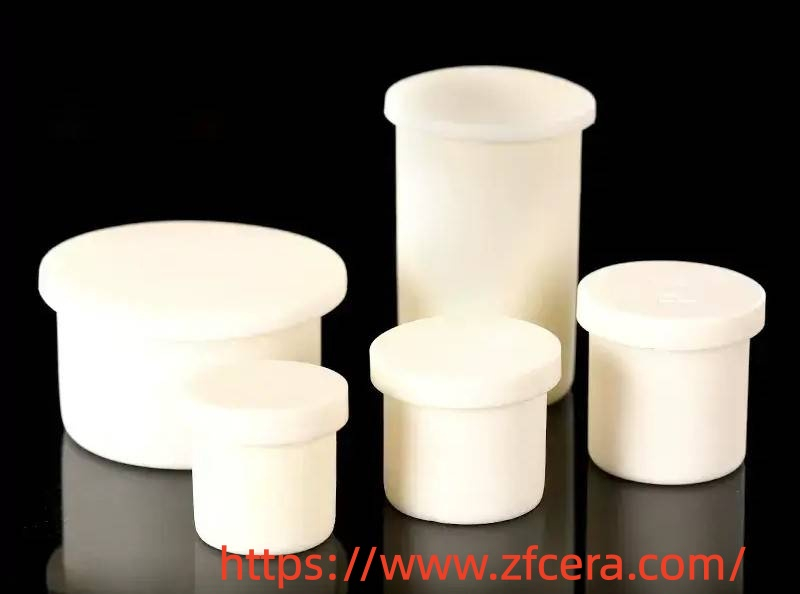
Zhufa Alumina Ceramics have gained wide attention across engineering fields where stability, hardness, and insulation reliability shape material selection decisions. From precision components to industrial lining structures, this material family supports demanding operating environments through balanced physical characteristics. Zhufa approaches ceramic production with careful powder...
🌐 CLICK HERE 🟢==►► WATCH NOW 🔴 CLICK HERE 🌐==►► DOWNLOAD NOW https://ns1.iyxwfree24.my.id/movie/bSu4 BREAKING: XXX Viral Sensation Rocks Social Media, Leaving Fans Divided and Concerned The Lead: A bizarre and highly explicit video has gone viral on various adult platforms, including xnxx.com, xhamster, and xVideos, with users sharing links and screenshots on X/Twitter and TikTok. The...