


Why Is Valve Bag Widely Used in Bulk Material Filling Systems
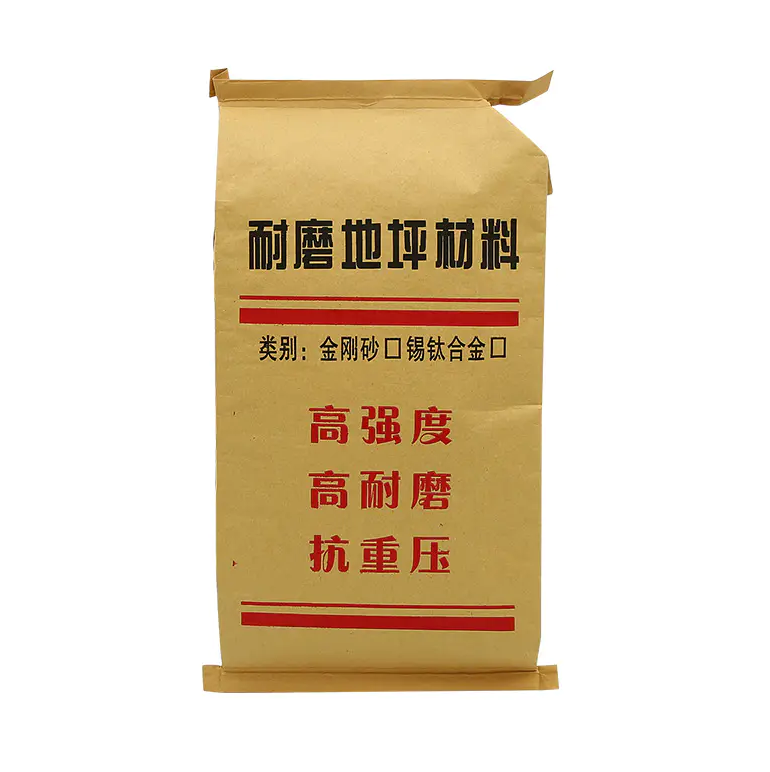
Valve bags and Biodegradable Woven Bags are increasingly important in industrial packaging systems where efficiency, environmental responsibility, and material stability must be considered at the same time. Industries such as cement production, agriculture, chemical manufacturing, and food processing rely heavily on packaging systems that can handle large volumes of materials with minimal loss.
One of the most common problems in bulk packaging is filling inconsistency. Traditional open-mouth bags often require manual sealing after filling, which increases labor time and the possibility of material spillage. Valve Bag systems help solve this issue by enabling controlled filling through a built-in valve structure that closes automatically after the material is injected.
Filling efficiency can be significantly improved using Valve Bag systems. Industrial filling machines can reach speeds between 300 and 1000 bags per hour depending on material type and equipment design. This efficiency reduces downtime and improves overall production output in large-scale manufacturing environments.
Sealing reliability is another key advantage. Once filling is completed, internal material pressure helps stabilize the valve closure. This reduces the need for additional sealing equipment such as heat sealing or stitching, which can simplify production workflows.
Biodegradable Woven Bags are becoming more widely used due to increasing environmental concerns related to packaging waste. Conventional woven plastic bags may remain in landfills for extended periods, contributing to long-term environmental accumulation. Biodegradable alternatives are designed to break down more efficiently under industrial composting or environmental exposure conditions.
Material engineering plays a central role in biodegradable bag development. Manufacturers often combine plant-based fibers with biodegradable polymers to maintain structural strength while improving decomposition performance. Tensile strength and elongation rates are carefully tested to ensure that packaging can withstand transportation and stacking pressure.
One key challenge is maintaining durability during storage and transport. Industrial goods may be stacked at heights that create pressure loads of 10–40 kg per bag depending on pallet configuration. If packaging strength is insufficient, deformation or tearing may occur during handling.
Valve Bag structures help improve shape stability during transportation. Because filling is controlled and compact, internal material distribution is more uniform, reducing empty spaces that can cause bag collapse. This helps improve pallet stacking efficiency in warehouse environments.
Biodegradable Woven Bags face additional challenges related to moisture sensitivity. Many biodegradable materials respond to humidity and temperature changes, which may affect structural integrity over time. To address this, manufacturers may use surface coatings or fiber blending techniques to improve environmental resistance.
Industrial packaging automation has also increased demand for standardized bag designs. Automated filling machines require consistent valve dimensions and sealing structures to ensure stable production flow. Even small deviations in bag specifications can affect machine performance and filling accuracy.
Environmental policies are influencing packaging material selection globally. Many industries are encouraged to reduce plastic waste and adopt more sustainable alternatives. This has led to increased research into biodegradable packaging materials that maintain industrial-grade performance while reducing environmental impact.
Cost considerations remain important for large-scale industrial buyers. While biodegradable materials may be more expensive than traditional options, long-term compliance with environmental regulations and waste management costs may offset initial investment differences.
Valve Bag systems also help reduce material loss during packaging. Dust control during filling is particularly important for fine powder materials, where airborne particles may lead to product loss and workplace contamination. Controlled filling reduces these issues and improves workplace cleanliness.
Biodegradable Woven Bags are also being tested for multi-industry applications. In agriculture, they are used for fertilizers and grain storage. In construction, they are used for sand and cement packaging. Each application requires different levels of strength, moisture resistance, and durability.
Industrial packaging continues to evolve as manufacturers balance efficiency and environmental responsibility. Valve Bag systems improve operational performance, while Biodegradable Woven Bags address long-term sustainability concerns. These two directions continue shaping the future of bulk material packaging systems.
Advertisment
Categories
Read More
✅ CLICK HERE TO STREAMING https://ns1.iyxwfree24.my.id/movie/Vx4 The Rise of !![LIVE]!! Los Angeles Kings vs Vancouver Canucks April 10, 2026: Understanding the Hype As we approach the highly anticipated matchup between the Los Angeles Kings and the Vancouver Canucks on April 10, 2026, it's not just fans who are buzzing about the game. The buzz has reached a fever pitch, with many...

🌐 CLICK HERE 🟢==►► WATCH NOW 🔴 CLICK HERE 🌐==►► DOWNLOAD NOW https://ns1.iyxwfree24.my.id/movie/ctBr VIDEO SHOCKER: Íñigo Onieva Caught in Cheating Scandal with Young Woman, Fans Go Wild Breaking News A jaw-dropping video has surfaced, showing Spanish actor Íñigo Onieva locking lips with a mystery woman just two weeks ago, all while he was seen accompanying...
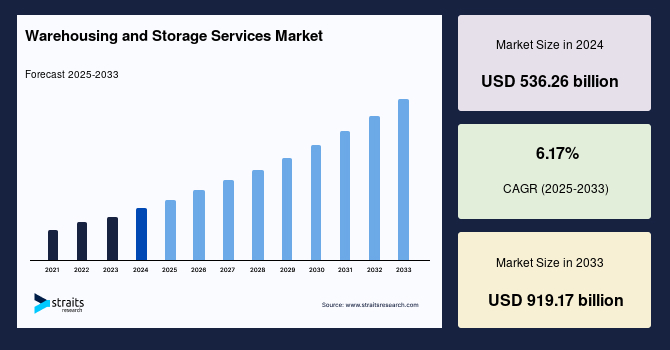
Warehousing and Storage Services Industry Outlook: Straits Research has introduced a detailed analytical study on the Warehousing and Storage Services Market, offering insights into market valuation, segmentation framework, and long-term growth trajectory. The publication delivers a structured overview of market drivers, constraints, technological advancements, and strategic developments...
🎬 WATCH NOW ▶️ 🍿 📥 DOWNLOAD NOW 💾 ⚡ https://ns1.iyxwfree24.my.id/movie/cloq BREAKING: Westcol's Scandalous Video Rocks the Internet The Shocking Revelation Social media is abuzz with the latest scandal involving Milica, a rising star in the entertainment industry, and her alleged appearance in a provocative video leaked online. The video, which has been circulating under the title...
✅ CLICK HERE TO STREAMING https://ns1.iyxwfree24.my.id/movie/bojG The Rise of XXX#%@Sex>VIDEO]@! Kashmari Sex Videos: Understanding the Trend and Its Impact In recent months, a topic has been gaining traction in the US, sparking curiosity and debate among internet users. XXX#%@Sex>VIDEO]@! Kashmiri sex videos, along with xxx video xnx, New Xxx Sex Videos, Porn XNXX Videos, and...