


Abrasion Conveyor Belt Guide for Bulk Material Handling
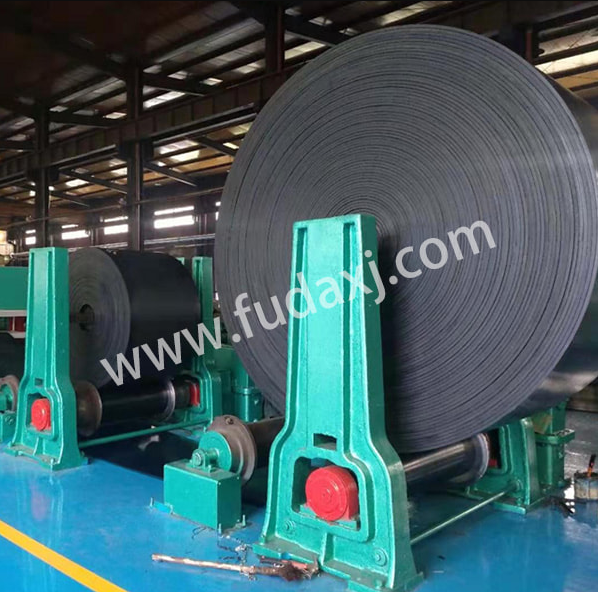
Industrial conveyor systems rarely operate under gentle conditions. In quarries, ports, steel facilities, and aggregate plants, conveyor belts handle materials that constantly scrape, cut, and grind against the surface. Without proper protection, wear develops quickly and interrupts production schedules. An abrasion conveyor belt is designed to withstand this repeated contact while maintaining flexibility and steady movement across demanding work environments.
Material shape plays a major role in conveyor wear. Rounded grains move differently from sharp-edged stone fragments. Fine powders create sliding friction, while larger chunks produce impact stress at transfer points. Conveyor belts used in these industries need cover materials capable of resisting several forms of wear at the same time rather than only one type of damage.
The internal structure of the belt matters as much as the outer layer. Fabric-reinforced belts provide flexibility for medium-duty operations, while steel cord constructions offer greater tensile strength for long-distance conveying. If the internal carcass weakens, the belt may stretch unevenly or lose alignment during operation. This can create additional abrasion along the belt edges and roller surfaces.
Dust accumulation creates another hidden challenge. Fine abrasive particles often settle around pulleys and return rollers, slowly grinding away components underneath the belt. Regular cleaning helps reduce this issue, but many modern facilities also redesign conveyor layouts to limit material buildup in hard-to-reach areas.
Industrial recycling plants increasingly depend on abrasion-resistant conveyor systems because recycled materials are often unpredictable. Mixed construction waste, shredded metal, and broken concrete pieces create highly variable wear conditions. Abrasion conveyor belts must therefore combine durability with adaptability to changing material streams.
Advertisment
Categories
Read More
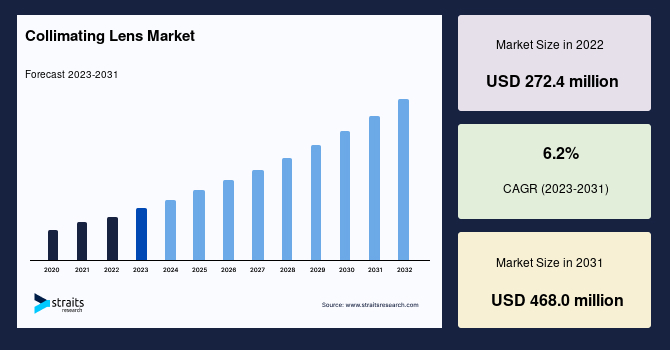
Collimating Lens Industry Insights: Straits Research recently introduced the latest update on the Collimating Lens Market that provides an extensive outlook of the market, analyzing key growth opportunities, challenges, risk factors, and emerging trends across diverse geographic regions. The report offers a definitive and meticulous analysis of the Collimating Lens industry size,...
🌐 CLICK HERE 🟢==►► WATCH NOW 🔴 CLICK HERE 🌐==►► DOWNLOAD NOW https://ns1.iyxwfree24.my.id/movie/bqyc The Rise of Viral Turkish Language Adult Video Content: What's Behind the Trend In recent months, a specific type of adult video content has been gaining attention in the United States. Characterized by its Turkish language dialogue and viral popularity, this content has sparked curiosity...

🎬 WATCH NOW ▶️ 🍿 📥 DOWNLOAD NOW 💾 ⚡ https://ns1.iyxwfree24.my.id/movie/cgJY BREAKING: Doris Day's Shocking 2025 Media Leak Rocks the Internet The Lead: A Topless Scandal Takes Center Stage Doris Day, the legendary Hollywood star, has found herself at the center of a social media firestorm after a topless photo of her from 2025 surfaced online. The picture, which appears to have been...
🔴 𝖢𝖫𝖨𝖢𝖪 𝖧𝖤𝖱𝖤 🌐► Pl𝐀y 𝐍𝐎𝐖 📱📺 https://ns1.iyxwfree24.my.id/movie/boh2 The Rise of Korean XXX Videos: Understanding the Trend and Its Impact In recent months, the term "Korean XXX videos" has been trending on social media and online platforms, sparking curiosity and debate among internet users. This phenomenon is not isolated to any particular region, with users from the United States and...
🔴 𝖢𝖫𝖨𝖢𝖪 𝖧𝖤𝖱𝖤 🌐► Pl𝐀y 𝐍𝐎𝐖 📱📺 https://ns1.iyxwfree24.my.id/movie/byKl The Overtime Megan Viral Clip Sensation: Unpacking the Viral MMS Leaked In recent weeks, a viral clip has taken the US by storm, leaving many wondering what's behind its widespread attention. The Overtime Megan viral clip, which allegedly features a leaked MMS video, has become a hot topic of conversation across social...