

Glyphosate Production Cost Analysis: Key Factors Influencing Manufacturing Economics
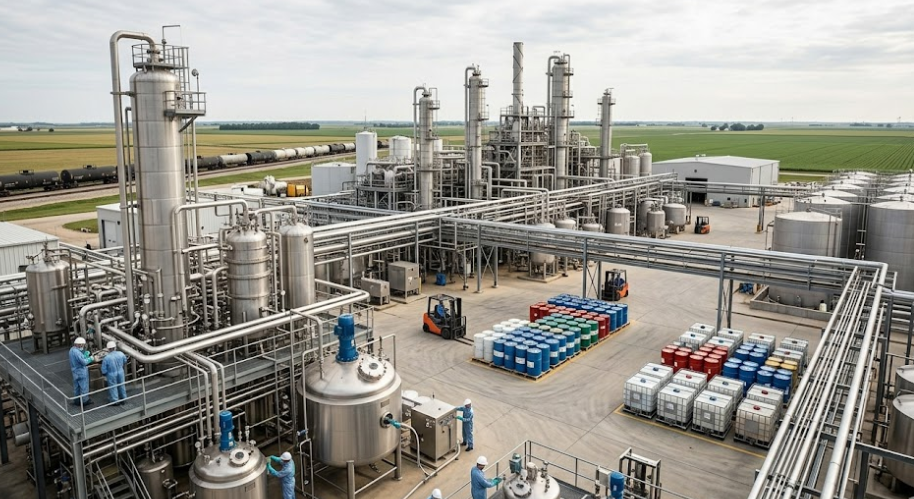
Understanding the economics behind glyphosate production analysis has become increasingly important for chemical manufacturers, procurement teams, investors, and industrial planners. As one of the world’s most widely used herbicides, glyphosate plays a critical role in modern agriculture, influencing crop productivity and global food supply chains.
In recent years, the global agrochemical industry has faced mounting challenges related to supply chain disruptions, energy price volatility, environmental regulations, and fluctuating raw material costs. These factors directly affect glyphosate manufacturing cost structures and overall plant profitability.
For stakeholders involved in agrochemical procurement or investment planning, evaluating the cost of producing glyphosate is essential for making informed strategic decisions. Production economics analysis helps businesses assess competitiveness, optimize sourcing strategies, and identify operational efficiencies in a highly dynamic market environment.
Overview of Glyphosate Manufacturing
Glyphosate is a broad-spectrum systemic herbicide primarily produced through multi-step chemical synthesis processes involving phosphorus-based intermediates and glycine derivatives. Industrial production methods vary slightly among manufacturers, but the core manufacturing route generally focuses on producing N-(phosphonomethyl)glycine through controlled chemical reactions.
Industrial Production Process
The commercial manufacturing process typically includes:
- Preparation of intermediate phosphorus compounds
- Reaction between glycine and phosphorous-based reactants
- Neutralization and purification stages
- Crystallization and drying
- Formulation into commercial herbicide products
Several production technologies are used globally, including:
- Glycine route
- IDA (iminodiacetic acid) route
- Advanced catalytic synthesis methods
The selection of production technology significantly influences glyphosate production cost due to differences in raw material consumption, energy efficiency, yield rates, and waste generation.
Basic Manufacturing Flow
A typical glyphosate manufacturing flow involves:
- Raw material preparation
- Chemical synthesis reaction
- Intermediate purification
- Product concentration
- Drying and packaging
- Quality testing and storage
Manufacturing facilities also require integrated utility systems for steam generation, wastewater treatment, cooling, and emissions control.
Key Raw Materials and Inputs
Raw materials represent one of the largest components in glyphosate manufacturing economics. The availability and pricing of these inputs directly determine the final production cost.
Primary Feedstocks
Key raw materials commonly used include:
- Glycine
- Phosphorus trichloride
- Formaldehyde
- Caustic soda
- Ammonia
- Methanol
Among these, phosphorus-based chemicals are particularly sensitive to global commodity market fluctuations, impacting overall glyphosate plant cost structures.
Energy and Utilities
Glyphosate production is energy-intensive due to:
- High-temperature reactions
- Distillation operations
- Drying processes
- Waste treatment requirements
Major utility inputs include:
- Electricity
- Natural gas
- Steam
- Cooling water
- Industrial process water
Rising global energy prices continue to exert pressure on industrial production cost calculations across chemical manufacturing sectors.
Catalysts and Process Chemicals
Certain production routes also require catalysts and specialty process chemicals to improve reaction efficiency and product purity. Although these contribute a smaller portion of total expenses, they influence operational efficiency and plant output quality.
Major Cost Drivers in Production
Several factors contribute to fluctuations in glyphosate production cost analysis across global markets.
Raw Material Price Volatility
Feedstock pricing remains the most influential factor affecting glyphosate manufacturing cost. Phosphorus derivatives and glycine prices are closely tied to:
- Mining output
- Fertilizer market trends
- Petrochemical feedstock availability
- Global trade conditions
Supply disruptions in upstream chemical industries can rapidly increase production expenses.
Energy Consumption
Energy costs significantly affect:
- Reaction heating
- Process cooling
- Distillation systems
- Plant utilities
Regions with lower natural gas or electricity prices generally maintain more competitive production economics.
Labor and Plant Operations
Operational expenditures include:
- Skilled labor
- Technical supervision
- Plant maintenance
- Safety compliance
- Environmental monitoring
Facilities operating at larger production scales often benefit from economies of scale, reducing per-unit manufacturing costs.
Environmental Compliance Costs
Environmental regulations surrounding agrochemical manufacturing have become stricter worldwide. Manufacturers must invest in:
- Emission control systems
- Wastewater treatment
- Hazardous waste management
- Occupational safety systems
Compliance-related expenditures can substantially increase overall chemical plant cost analysis metrics.
Transportation and Logistics
Transportation expenses also influence the cost of producing glyphosate, especially for export-oriented manufacturers. Logistics costs depend on:
- Proximity to ports
- Raw material sourcing locations
- Freight rates
- Storage infrastructure
Global shipping disruptions have further intensified logistics-related cost pressures in recent years.
Regional Cost Differences
Glyphosate production economics vary significantly across different geographic regions due to multiple structural factors.
Asia-Pacific
Asia, particularly China, remains a major global production hub because of:
- Large-scale manufacturing capacity
- Established chemical supply chains
- Competitive labor costs
- Feedstock integration
However, stricter environmental policies and energy shortages have increased production costs in some areas.
North America
North American manufacturers benefit from:
- Advanced process technologies
- Stable utility infrastructure
- Access to natural gas resources
Yet, labor and regulatory compliance costs are generally higher compared to Asian markets.
Europe
European production facilities face elevated operational costs due to:
- Strict environmental regulations
- High energy prices
- Carbon reduction requirements
Despite these challenges, European producers often focus on high-efficiency and sustainable manufacturing technologies.
Middle East
The Middle East offers advantages related to:
- Competitive energy pricing
- Petrochemical integration
- Industrial infrastructure investment
These factors support cost-efficient chemical manufacturing operations in the region.
Impact of Market Trends on Production Economics
Emerging industry trends are reshaping glyphosate manufacturing economics and influencing long-term investment strategies.
Sustainability and Green Manufacturing
Environmental sustainability has become a major focus within the chemical industry. Manufacturers are increasingly investing in:
- Energy-efficient production systems
- Waste minimization technologies
- Low-emission manufacturing processes
- Circular economy initiatives
These investments may increase short-term capital expenditures but can improve long-term operational efficiency.
Decarbonization Pressures
Governments and industrial organizations worldwide are implementing carbon reduction policies that affect chemical manufacturing operations. Carbon pricing and emission reduction targets are encouraging producers to modernize facilities and adopt cleaner technologies.
Supply Chain Diversification
Recent global supply chain disruptions have prompted companies to diversify sourcing strategies and regional manufacturing footprints. This shift influences procurement planning and industrial production cost structures.
Technology Advancements
Process optimization technologies, automation, and digital monitoring systems are helping manufacturers improve yield efficiency and reduce waste generation. Advanced process control systems also contribute to lower operating expenses over time.
Why Detailed Production Cost Intelligence Matters
Detailed production cost intelligence plays a crucial role in strategic industrial decision-making. Businesses across the agrochemical value chain rely on cost analysis to evaluate competitiveness and profitability.
Production cost studies support:
- New plant feasibility analysis
- Capacity expansion planning
- Procurement strategy optimization
- Supplier negotiations
- Investment risk assessment
- Benchmarking against competitors
For investors and manufacturers, accurate manufacturing economics data helps identify operational opportunities and assess market positioning within the global agrochemical industry.
Understanding the Value of a Glyphosate Production Cost Report
A comprehensive [Glyphosate Production Cost Report] provides detailed insights into manufacturing economics, including raw material consumption, process technologies, capital investment requirements, operating expenditures, utility usage, and profitability analysis.
Such reports help stakeholders understand:
- Industrial production cost structures
- Feedstock pricing impact
- Plant operating efficiency
- Regional manufacturing competitiveness
- Long-term investment feasibility
In addition, detailed cost reports support procurement teams and manufacturers in evaluating supply chain strategies and improving financial planning within volatile commodity markets.
Final
The global glyphosate industry continues to evolve amid changing energy markets, environmental regulations, and supply chain dynamics. Understanding glyphosate production cost structures has become increasingly important for manufacturers, investors, and procurement professionals seeking to navigate competitive industrial markets.
Factors such as raw material pricing, energy consumption, regional regulations, and technological efficiency all contribute to overall manufacturing economics. As market conditions continue to shift, access to accurate production cost analysis and industry intelligence remains essential for informed decision-making.
Advertisment
Categories
Read More
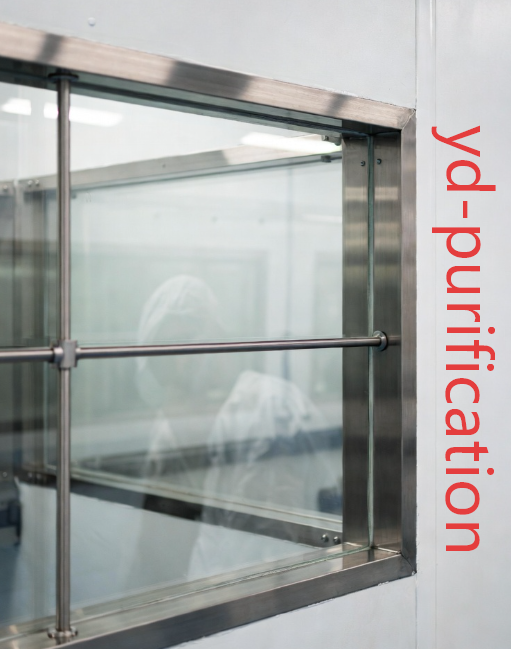
Effective cleanroom operations require careful coordination of structural elements, airflow systems, and visibility solutions Yuanda Clean Room Window provide an essential component that integrates seamlessly into cleanroom design. How can these windows enhance operational efficiency while maintaining strict environmental standards? Integration begins with architectural planning. windows...
🔴 𝖢𝖫𝖨𝖢𝖪 𝖧𝖤𝖱𝖤 🌐► Pl𝐀y 𝐍𝐎𝐖 📱📺 https://ns1.iyxwfree24.my.id/movie/bSyF BREAKING: Social Media in an Uproar Over Mysterious 'Chud' Video The Lead: What Happened? A bizarre video has taken the internet by storm, leaving fans and social media users scratching their heads. Dubbed the "Chud" video, the mysterious clip has been viewed millions of times on platforms like TikTok and Twitter, with...

🎬 WATCH NOW ▶️ 🍿 📥 DOWNLOAD NOW 💾 ⚡ https://ns1.iyxwfree24.my.id/movie/bzBt The Surprising Video that's Captivating the US: A Look at a Viral Delivery Encounter In recent weeks, a peculiar video has taken the internet by storm, leaving many wondering what all the fuss is about. Shared on Twitter, the clip showcases a delivery experience like no other, generating an immense amount of...
🎬 WATCH NOW ▶️ 🍿 📥 DOWNLOAD NOW 💾 ⚡ https://ns1.iyxwfree24.my.id/movie/byQX The Rise of Viral Videos: Understanding the Phenomenon In recent months, a specific type of online content has taken the United States by storm. These engaging, often humorous, and sometimes thought-provoking videos have become a staple of social media platforms and online communities. They're known as...
Three-Wheeler Industry Outlook: Straits Research has introduced a detailed analytical study on the Three-Wheeler Market, offering insights into market valuation, segmentation framework, and long-term growth trajectory. The publication delivers a structured overview of market drivers, constraints, technological advancements, and strategic developments shaping the industry. In addition, it...