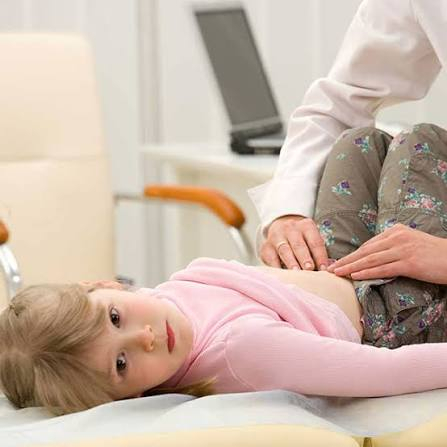
Children can experience many health problems during their growing years, and some conditions may be difficult for parents to identify early. One such condition is a urinary tract infection, which can affect children of all ages, from infants to teenagers.
A urinary tract infection in children is a common medical condition that occurs when bacteria enter the urinary system and cause infection. The urinary system includes the kidneys, ureters, bladder, and urethra. Early diagnosis and proper treatment are important because untreated infections can sometimes lead to complications and affect kidney health.
Understanding the signs, causes, treatment options, and prevention methods can help parents take quick action and ensure their child's well-being.
What Is a Urinary Tract Infection?
A urinary tract infection (UTI) happens when bacteria enter any part of the urinary system. Most infections occur in the bladder and urethra, but in some cases, the infection can spread to the kidneys.
The urinary tract plays an important role in removing waste and excess fluid from the body through urine. Normally, urine is free from bacteria. However, when harmful bacteria enter the urinary tract and multiply, an infection develops.
UTIs are among the most common bacterial infections in children and can occur at any age.
Types of Urinary Tract Infections
There are different types of UTIs depending on the area affected.
1. Bladder Infection (Cystitis)
This is the most common type of UTI. It affects the bladder and may cause:
- Frequent urination
- Pain during urination
- Lower abdominal discomfort
- Cloudy urine
2. Kidney Infection (Pyelonephritis)
A kidney infection is more serious and requires prompt medical attention. Symptoms may include:
- High fever
- Back or side pain
- Vomiting
- Fatigue
3. Urethral Infection (Urethritis)
This infection affects the urethra, the tube that carries urine out of the body.
Causes of Urinary Tract Infection in Children
The main cause of UTIs is bacteria entering the urinary tract. The most common bacteria responsible is Escherichia coli (E. coli), which normally lives in the intestines.
Several factors can increase the risk of infection.
Poor Hygiene
Improper cleaning after using the toilet can allow bacteria to spread to the urinary tract.
Holding Urine for Long Periods
Children who avoid using the bathroom regularly may increase their risk of infection.
Constipation
Constipation can put pressure on the bladder and make it difficult to empty completely.
Structural Problems
Some children are born with urinary tract abnormalities that increase the risk of repeated infections.
Incomplete Bladder Emptying
When urine remains in the bladder, bacteria can multiply more easily.
Weakened Immune System
Children with certain medical conditions may have a higher risk of infections.
Which Children Are More Likely to Develop UTIs?
Although any child can develop a UTI, some children have a higher risk.
These include:
- Infants and toddlers
- Girls, especially after toilet training
- Children with urinary tract abnormalities
- Children with chronic constipation
- Children with a history of previous UTIs
- Children who do not drink enough water
Understanding these risk factors helps parents stay alert to possible symptoms.
Signs and Symptoms of Urinary Tract Infection in Children
The symptoms of a urinary tract infection can vary depending on the child's age.
Symptoms in Babies and Infants
Young babies cannot describe what they are feeling, making diagnosis more challenging.
Common signs include:
- Fever without a clear cause
- Irritability
- Poor feeding
- Vomiting
- Foul-smelling urine
- Poor weight gain
- Excessive crying
Symptoms in Toddlers and Young Children
As children grow older, symptoms become easier to identify.
These may include:
- Pain while urinating
- Frequent urination
- Urgency to urinate
- Bedwetting after being toilet trained
- Lower abdominal pain
- Fever
- Cloudy urine
Symptoms in Older Children
Older children may complain about:
- Burning sensation during urination
- Pain in the lower abdomen
- Back pain
- Side pain
- Blood in urine
- Fever and chills
Recognizing these symptoms early can lead to quicker treatment and recovery.
When Should Parents Seek Medical Attention?
Parents should consult a healthcare professional if a child experiences:
- Fever with no obvious cause
- Pain while urinating
- Frequent urination
- Blood in urine
- Strong-smelling urine
- Persistent abdominal pain
- Vomiting associated with urinary symptoms
Immediate medical care is especially important if a child appears very ill or has signs of a kidney infection.
How Is a Urinary Tract Infection Diagnosed?
Proper diagnosis helps ensure the correct treatment.
Medical History
The healthcare provider will ask about:
- Symptoms
- Previous infections
- Toilet habits
- Family medical history
Physical Examination
A physical examination helps identify signs of infection and rule out other conditions.
Urine Test
A urine sample is usually required to confirm the diagnosis.
Tests may include:
These tests help detect bacteria and identify the specific organism causing the infection.
Imaging Tests
In some cases, imaging studies may be recommended, especially if:
- The child has recurrent UTIs
- There is suspicion of structural abnormalities
- A kidney infection is present
Common imaging tests include ultrasound examinations.
Treatment for Urinary Tract Infection in Children
Treatment depends on the severity of the infection and the child's age.
Antibiotics
Antibiotics are the primary treatment for bacterial UTIs.
The healthcare provider will prescribe medication based on:
- Child's age
- Severity of infection
- Test results
It is important to complete the entire course of antibiotics, even if symptoms improve before treatment ends.
Increased Fluid Intake
Drinking plenty of fluids helps flush bacteria from the urinary system.
Encourage children to drink:
- Water
- Milk
- Healthy fluids recommended by their healthcare provider
Pain Relief
Some children may experience discomfort while urinating.
The healthcare provider may recommend suitable medications to help reduce pain and fever.
Hospital Treatment
In severe cases, hospitalization may be necessary, particularly for:
- Young infants
- Kidney infections
- Children with dehydration
- Children unable to take oral medications
Recovery After Treatment
Most children recover completely when treatment begins early.
Parents may notice improvements such as:
- Reduced fever
- Less pain during urination
- Improved appetite
- Better energy levels
Follow-up appointments may be recommended to ensure the infection has cleared completely.
Possible Complications of Untreated UTIs
Ignoring symptoms or delaying treatment can lead to complications.
These may include:
Kidney Infection
The infection can spread from the bladder to the kidneys.
Kidney Damage
Repeated or severe infections may affect kidney function over time.
Recurrent Infections
Some children experience multiple UTIs if underlying causes are not addressed.
High Blood Pressure Later in Life
In rare cases, kidney damage from repeated infections may contribute to future health issues.
Early diagnosis significantly reduces the risk of complications.
Can Urinary Tract Infections Be Prevented?
Many UTIs can be prevented through healthy habits and proper hygiene.
Encourage Good Bathroom Habits
Teach children to:
- Use the toilet regularly
- Avoid holding urine for long periods
- Empty the bladder completely
Promote Proper Hygiene
For girls, wiping from front to back after using the toilet helps prevent bacteria from reaching the urinary tract.
Increase Water Intake
Adequate hydration helps flush harmful bacteria from the urinary system.
Manage Constipation
Treating constipation can reduce pressure on the bladder and lower infection risk.
Choose Comfortable Clothing
Loose-fitting cotton underwear can help maintain proper hygiene and reduce moisture buildup.
Regular Diaper Changes
For infants and toddlers, frequent diaper changes help reduce bacterial growth.
Recurrent Urinary Tract Infections in Children
Some children experience repeated UTIs.
A healthcare provider may investigate possible causes, including:
- Structural urinary tract abnormalities
- Bladder function problems
- Chronic constipation
- Incomplete bladder emptying
Managing the underlying issue is important for preventing future infections.
Tips for Parents
Parents play a major role in protecting children from urinary infections.
Helpful tips include:
- Encourage regular bathroom breaks
- Ensure adequate hydration
- Teach proper hygiene habits
- Watch for unusual urinary symptoms
- Seek medical attention when symptoms appear
- Follow treatment instructions carefully
- Attend follow-up appointments if recommended
These simple steps can significantly reduce the risk of complications.
Frequently Asked Questions
Are UTIs common in children?
Yes. UTIs are among the most common bacterial infections seen in children.
Can a child have a UTI without pain?
Yes. Some children, especially infants, may only develop fever or irritability without obvious urinary symptoms.
Can UTIs come back after treatment?
Yes. Some children may experience recurrent infections, especially if underlying risk factors are present.
Is a urinary tract infection contagious?
No. UTIs are not contagious and cannot spread from one child to another.
How long does recovery take?
Most children begin feeling better within a few days after starting appropriate treatment.
Conclusion
A urinary tract infection in children is a common condition that should never be ignored. Early recognition of symptoms such as fever, painful urination, frequent urination, abdominal pain, or unusual urine changes can help parents seek timely medical care. With proper diagnosis and treatment, most children recover quickly and completely. Maintaining good hygiene, encouraging healthy bathroom habits, and ensuring adequate hydration can help reduce the risk of future infections. For expert guidance regarding urinary health concerns in children, parents can consult Dr. Mahesh Katre for appropriate evaluation and treatment recommendations.